You pull your cake out of the oven, it looks gorgeous, you slice into it — and it crumbles like a sandcastle at high tide. We’ve all been there, and honestly? It’s heartbreaking. :/ After years of baking (and yes, throwing away more than a few disasters), I’ve figured out exactly what turns a promising cake into a dry, sad disappointment. Let’s fix that.
Mistake #1: You’re Measuring Flour Like It Owes You Money
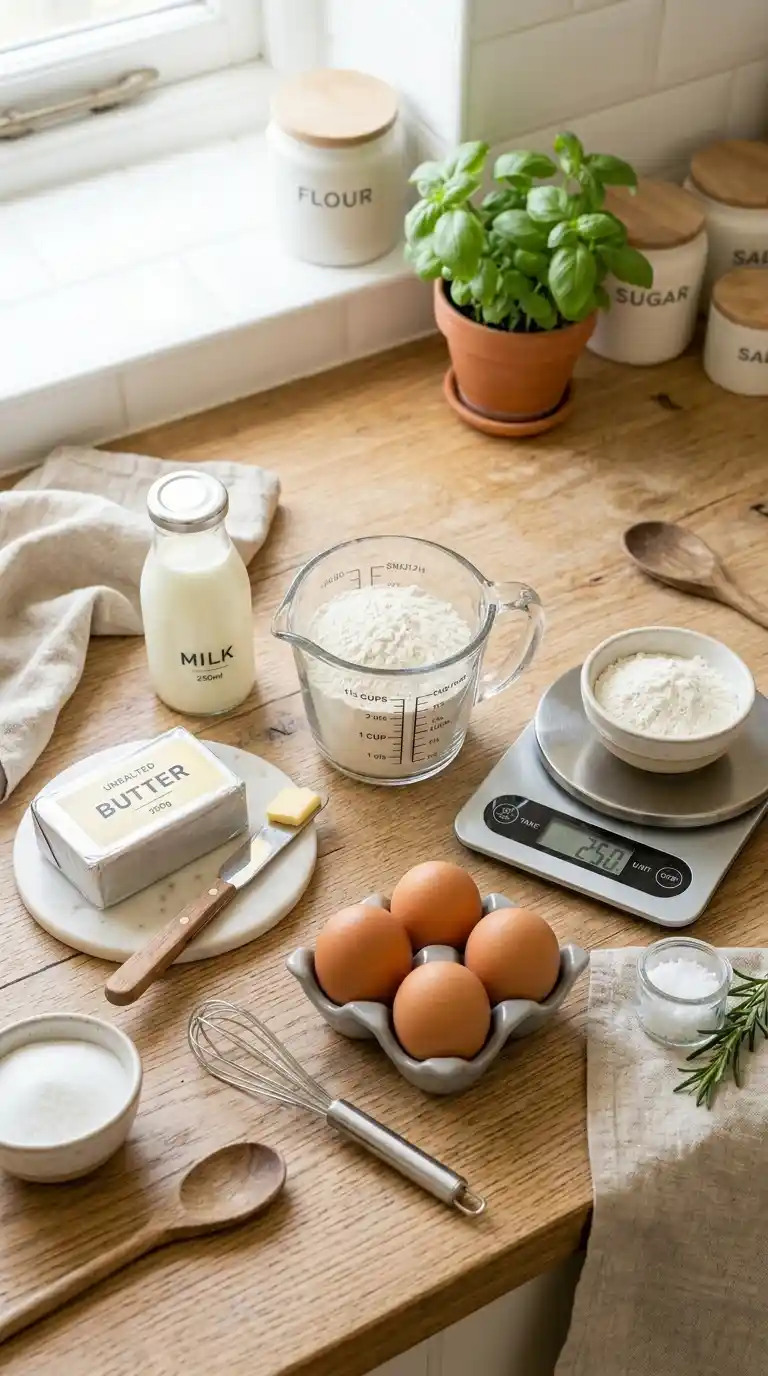
Here’s the thing — flour is the biggest culprit behind a dry cake, and most people don’t even realize they’re using too much of it.
When you scoop flour directly with your measuring cup, you compact it. That means you could be adding 20–30% more flour than the recipe actually calls for. That extra flour absorbs moisture and leaves your cake tasting like flavored sawdust.
The fix is simple:
- Spoon the flour into your measuring cup
- Level it off with a flat edge
- Better yet, use a kitchen scale — bakers swear by it for a reason
IMO, a $10 kitchen scale is the single best investment any home baker can make.
Mistake #2: Overmixing the Batter (Yes, It’s a Real Problem)
You want a smooth batter, so you keep mixing. And mixing. And mixing some more. Sound familiar?
Overmixing develops too much gluten, which makes your cake tough and dry instead of tender and soft. The moment your flour is incorporated, you need to stop. Seriously — put the mixer down.
What to do instead:
- Mix on low speed once you add the flour
- Stop as soon as you no longer see dry streaks
- Fold in any last additions by hand with a spatula
The batter doesn’t need to be perfectly silky. A few lumps are your friends here.
Mistake #3: Your Oven Is Lying to You
This one surprises people every single time. Most home ovens run hotter or cooler than the temperature you set — sometimes by as much as 25–50°F. So when your recipe says 350°F, your oven might actually be blasting at 375°F or limping along at 325°F.
A hotter oven means the outside of your cake sets and dries out before the inside even has a chance to bake properly. The result? Dry edges, possibly a gummy center — basically a mess.
What you should do:
- Buy an oven thermometer (they cost almost nothing)
- Check your oven’s actual temperature before every bake
- Adjust accordingly — it genuinely makes a huge difference
Ever wondered why professional bakers are obsessive about oven temperature? Now you know.
Mistake #4: Overbaking — The Most Common Offender
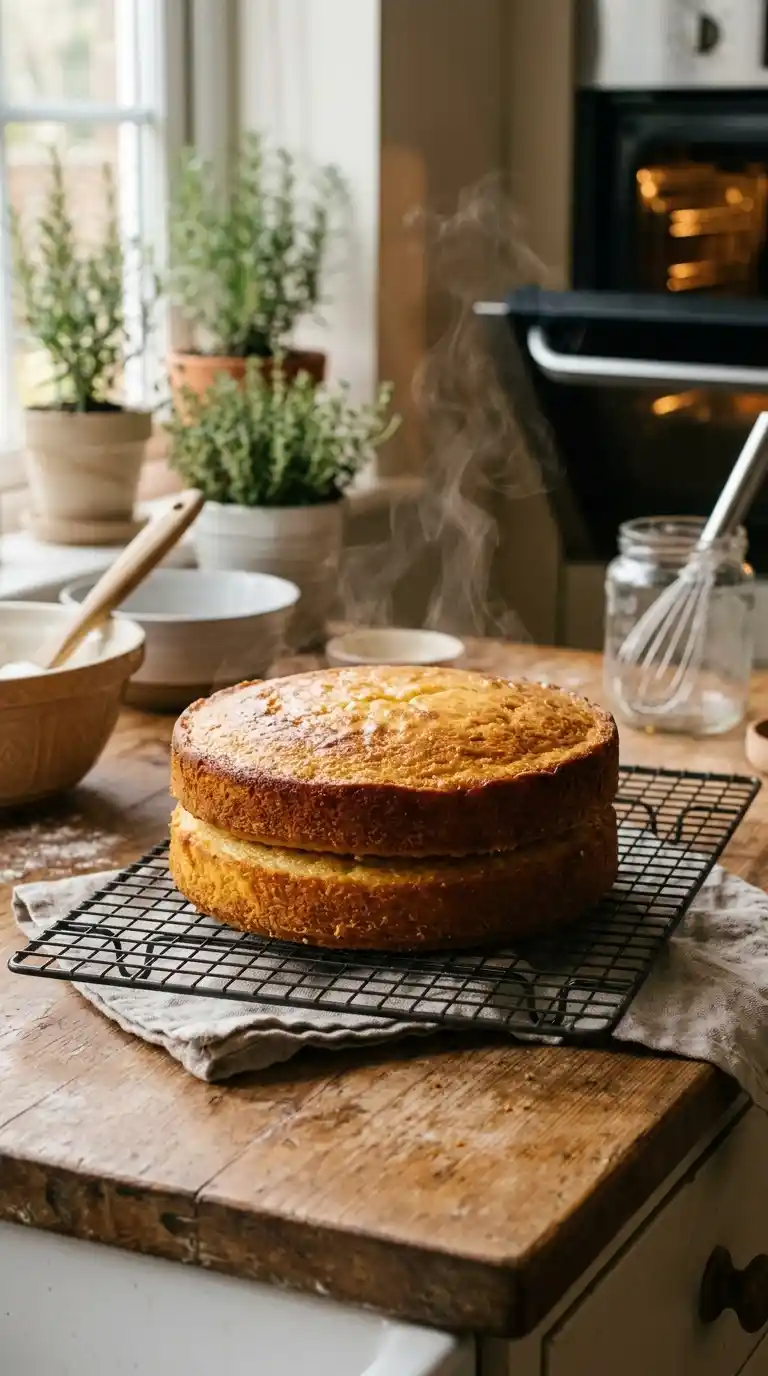
Here’s where most people go wrong: they trust the timer more than the cake. Recipes give you a time range for a reason — every oven, every pan, and every batter behaves slightly differently.
Leaving your cake in even five minutes too long can completely dry it out. The oven keeps cooking moisture out of the crumb, and there’s no getting that back once it’s gone.
How to test for doneness properly:
- Insert a toothpick into the center — it should come out with a few moist crumbs, not wet batter and not completely clean
- The cake should spring back lightly when you press the center
- The edges should just begin to pull away from the pan
Start checking your cake 5 minutes before the recipe’s minimum time. Trust your instincts over the clock.
Mistake #5: You’re Skipping the Fat (Or Cutting It Down)
So you decided to make your cake “healthier” by reducing the butter or oil. I get it — but here’s the brutal truth: fat is what makes cake moist. It coats the flour proteins, tenderizes the crumb, and holds onto moisture during baking.
Cut the fat, and you cut the moisture. It’s that straightforward.
What fat does in a cake:
- Butter adds richness and flavor
- Oil keeps the crumb tender and moist even after the cake cools
- Both slow down moisture loss during baking
Some recipes use both butter and oil for exactly this reason — butter for flavor, oil for moisture. If you want a moist cake, respect the fat content the recipe calls for. FYI — this is not the place to get experimental with substitutions unless you really know what you’re doing.
Mistake #6: Not Adding Enough Moisture to Begin With
Sometimes a dry cake comes down to the recipe itself — or rather, how you’re executing it. Room temperature ingredients matter more than you think. Cold eggs or cold butter don’t emulsify properly into the batter, which leads to an uneven, drier texture.
Beyond that, ingredients like sour cream, buttermilk, and yogurt aren’t just there for flavor — they add serious moisture and acidity that keeps the crumb soft and tender.
Moisture-boosting tips:
- Always use room temperature eggs, butter, and dairy
- Swap regular milk for buttermilk or sour cream where possible
- Add a tablespoon of mayonnaise or sour cream to almost any cake recipe — it sounds weird, but it works beautifully
- Don’t skip the simple syrup brush on your cake layers before frosting if you want guaranteed moisture
A little extra attention to your ingredients at the start saves a lot of disappointment at the end.
Wrapping It All Up
Dry cake is almost never bad luck — it’s almost always a fixable mistake. Measure your flour properly, stop overmixing, check your oven temperature, pull the cake out on time, don’t mess with the fat, and give your batter the moisture it needs. Six simple things, and your cakes will genuinely never be dry again.
Baking is part science, part instinct, and a whole lot of learning from your mistakes. The good news? Every dry cake teaches you something. Now go bake something magnificent — you’ve got this.