Honestly, the first time I made homemade chow mein, I cancelled my usual Friday night order and never looked back. It took less time than waiting for delivery, and it tasted significantly better. That’s not even a flex — it’s just the truth.
This chicken chow mein recipe gives you crispy noodles, tender chicken, crunchy vegetables, and a bold sauce that coats everything perfectly. Because you make it yourself, you control every single ingredient and flavour level.
What You’ll Need (Ingredients)
Everything here comes from a regular supermarket. Nothing exotic, nothing intimidating.
For the chicken:
- 500g (18 oz) boneless skinless chicken breast, thinly sliced
- 1 tablespoon soy sauce
- 1 teaspoon cornstarch
- 1/2 teaspoon sesame oil
- 1/4 teaspoon white pepper
For the chow mein sauce:
- 3 tablespoons soy sauce
- 1 tablespoon oyster sauce
- 1 tablespoon dark soy sauce
- 1 teaspoon sesame oil
- 1 teaspoon sugar
- 1/2 teaspoon white pepper
- 2 tablespoons water
For the noodles and vegetables:
- 300g (10 oz) fresh chow mein noodles (or dried, cooked per packet)
- 2 tablespoons vegetable oil
- 4 garlic cloves, minced
- 1 teaspoon fresh ginger, grated
- 1 medium onion, thinly sliced
- 1 cup bean sprouts
- 1 medium carrot, julienned
- 2 cups cabbage, thinly shredded
- 3 spring onions, cut into 2cm pieces
- 1 tablespoon vegetable oil (for noodles)
How to Make It — Step by Step
Step 1: Marinate the Chicken
- Place the 500g of thinly sliced chicken breast into a medium bowl.
- Add 1 tablespoon soy sauce, 1 teaspoon cornstarch, 1/2 teaspoon sesame oil, and 1/4 teaspoon white pepper.
- Mix everything together thoroughly, making sure every piece of chicken gets fully coated.
- Allow the chicken to marinate for at least 10 minutes at room temperature. Because the cornstarch is in the marinade, it creates a light protective coating that keeps the chicken juicy during high-heat cooking.
- Meanwhile, use this time to prep all your vegetables and mix the sauce so everything is ready before the wok gets hot.
Step 2: Mix the Chow Mein Sauce
- In a small bowl, combine 3 tablespoons soy sauce, 1 tablespoon oyster sauce, and 1 tablespoon dark soy sauce.
- Next, add 1 teaspoon sesame oil, 1 teaspoon sugar, 1/2 teaspoon white pepper, and 2 tablespoons of water.
- Stir everything together until the sugar fully dissolves and the sauce looks uniform and glossy.
- Taste it at this point — it should be deeply savoury, slightly sweet, and rich. This is your chow mein sauce recipe and it carries the entire dish, so don’t skip tasting it.
- Set the bowl aside within easy reach of the stove. When cooking moves fast, you need everything close by.
Step 3: Prepare the Noodles
- If using fresh chow mein noodles, loosen them gently with your fingers before cooking. Fresh noodles often clump together in the packet.
- Bring a large pot of water to a full boil, then add the noodles and cook for exactly 2 minutes. You want them just barely cooked — they will finish cooking in the wok later.
- Drain them immediately and rinse briefly under cold water. This stops the cooking process and removes excess surface starch.
- After draining, toss the noodles with 1 tablespoon of vegetable oil. This prevents them from sticking together while you cook everything else.
- If using dried noodles, cook them according to the packet instructions, then drain and oil them the same way.
Step 4: Cook the Chicken
- Heat a large wok or wide non-stick pan over the highest heat your stove allows. Allow it to heat up for a full 2 minutes before adding anything.
- Add 1 tablespoon of vegetable oil and swirl to coat the surface completely.
- Add the marinated chicken pieces in a single layer. Spread them out immediately so each piece makes full contact with the hot surface.
- Cook without stirring for 90 seconds. This allows a proper golden sear to develop on one side.
- After 90 seconds, stir and toss the chicken for another 1 to 2 minutes until fully cooked through with no pink remaining.
- Remove the chicken from the wok and place it on a clean plate. Set it aside — you will add it back in later. This step prevents overcooking and keeps the chicken tender throughout.
Step 5: Cook the Vegetables
- Return the wok to high heat and add the remaining 1 tablespoon of vegetable oil.
- Add the minced garlic and grated ginger first, then stir constantly for 30 seconds. The fragrance should hit you immediately — that’s a good sign.
- Next, add the sliced onion and julienned carrot. Stir-fry these together for 2 minutes until they soften slightly but still have a little crunch.
- Add the shredded cabbage and bean sprouts, then toss everything together for 1 more minute. You want the vegetables cooked but still vibrant and slightly crisp. Overcooked, soggy vegetables are the enemy of a great Chinese chicken noodle dish.
Step 6: Add Noodles, Chicken, and Sauce
- Add the prepared noodles directly into the wok with the vegetables. Use tongs to toss everything together quickly.
- Pour the chow mein sauce evenly over the noodles and vegetables. Toss again immediately so the sauce coats everything before it reduces too quickly on the hot surface.
- Add the cooked chicken back in, then toss the entire wok contents together thoroughly for 1 to 2 minutes.
- Add the spring onion pieces at this final stage. Because spring onions cook quickly, they only need about 30 seconds in the wok to soften slightly while staying fresh.
- Taste and adjust seasoning — add a splash more soy sauce if needed, or a few extra drops of sesame oil for extra aroma.
- Plate immediately and serve hot. Chow mein waits for nobody. :/
Why High Heat Is Non-Negotiable
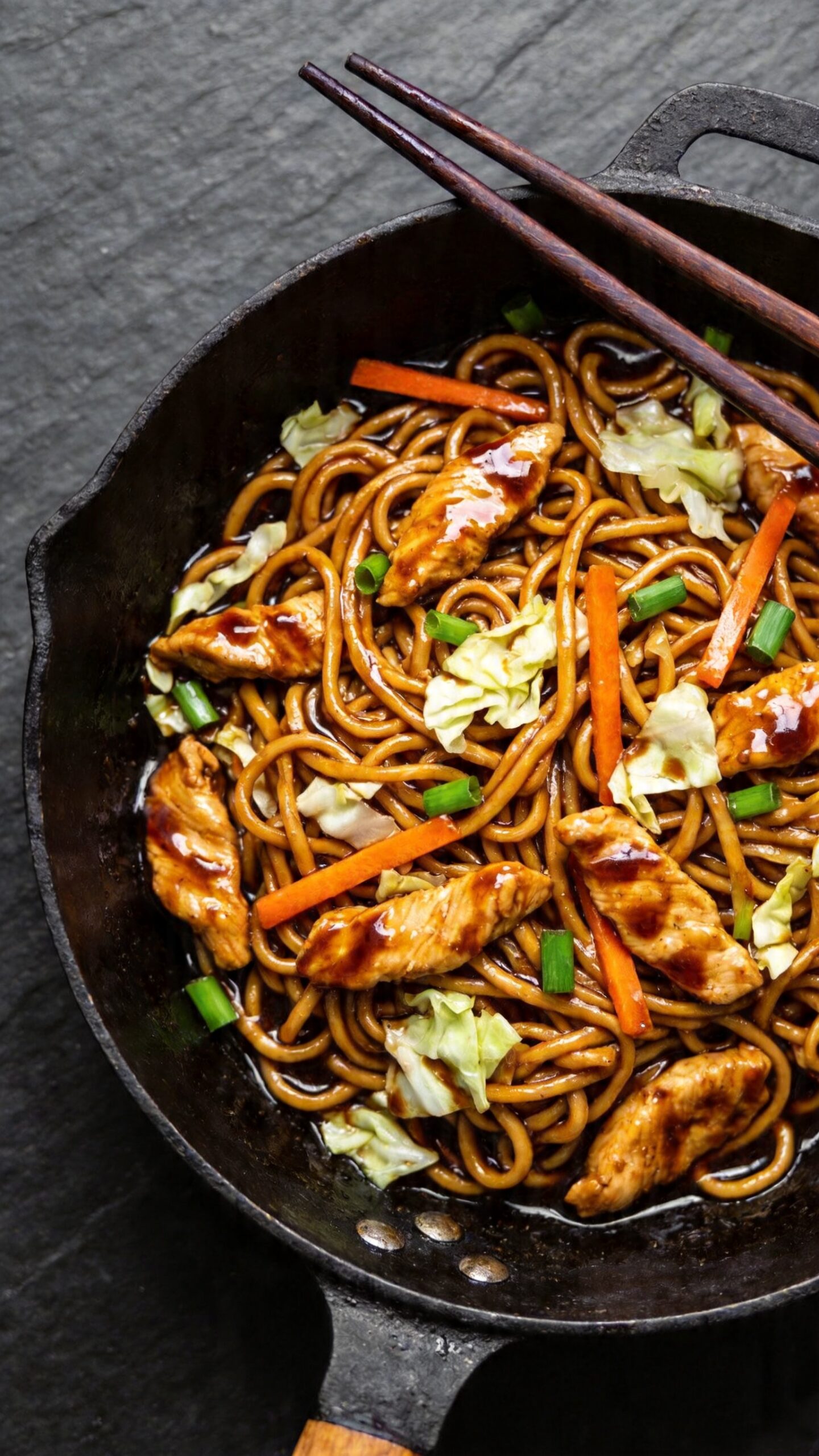
Have you ever made stir-fry at home and wondered why it tasted steamed rather than wok-fried? The answer is almost always low heat. Restaurant-style chicken chow mein recipe results come from extreme heat that evaporates moisture instantly.
High heat creates what chefs call “wok hei” — a subtle smoky, charred quality that makes Chinese chow mein recipe results taste so distinctive. Because home stoves run cooler than commercial woks, you need to compensate by using your highest burner setting and never overcrowding the pan.
IMO, heat management is the single most important skill in any easy Chinese recipes noodles situation. Get that right and everything else falls into place naturally.
The Sauce Is Everything
A weak sauce produces a weak dish. The combination of regular soy sauce, dark soy sauce, and oyster sauce creates a layered depth that a single-sauce approach simply cannot match.
Here’s what each ingredient does in the chow mein sauce recipe:
- Regular soy sauce adds saltiness and base umami flavour
- Dark soy sauce adds colour and a subtle molasses-like richness
- Oyster sauce adds body, sweetness, and depth
- Sesame oil adds fragrance and a nutty finish
- Sugar balances the saltiness and rounds everything out
Together, these create a sauce that clings to every noodle and tastes like it came straight from a proper restaurant kitchen.
Variations Worth Trying
Shrimp Chow Mein
Swap the chicken for 400g of peeled raw shrimp. Because shrimp cooks much faster than chicken, reduce the cooking time to just 1 to 2 minutes total. Overcooking shrimp turns it rubbery almost instantly, so watch it closely throughout.
Pork Chow Mein Recipe
Use 500g of thinly sliced pork shoulder or pork fillet instead of chicken. Pork takes slightly longer to cook, so allow an extra 2 minutes in the wok before removing it. The flavour works beautifully with the dark soy-based sauce.
Healthy Chow Mein Recipe
Reduce the oil to 1 tablespoon total, double the vegetables, and use low-sodium soy sauce throughout. Additionally, swap regular noodles for wholegrain or shirataki noodles to cut the carbs significantly. The result still tastes bold and satisfying while being noticeably lighter overall.
Chow Mein vs. Lo Mein — What’s the Difference?
A lot of people confuse the two. However, they are genuinely different dishes with distinct textures and cooking methods.
Chow mein:
- Noodles are stir-fried directly in the wok
- Results in crispier, slightly drier noodles
- Higher heat, faster cooking time overall
Lo mein (Chinese lo mein recipe / chicken lo mein recipe easy):
- Noodles are boiled separately, then tossed in sauce
- Results in softer, saucier, more coated noodles
- Lower heat, more sauce-forward flavour
Both are excellent. However, chow mein gives you better texture contrast, while lo mein gives you more sauce in every bite. Neither is objectively better — because the best one is simply whichever you’re craving right now. 🙂
Meal Prep and Storage Tips
This dish works brilliantly as a noodle box recipe for weekday lunches. Here’s how to store it properly:
- Allow the chow mein to cool completely before storing.
- Refrigerate in an airtight container for up to 3 days.
- Reheat in a hot wok or pan with a splash of water to loosen the noodles.
- Avoid microwaving if possible — it softens the noodles and removes the texture completely.
- Store extra sauce separately so you can refresh the flavour when reheating.
FYI, the sauce recipe makes slightly more than you need for one batch. Store the extra in a sealed jar in the fridge and use it for your next Asian chicken noodle recipe.
Why This Beats Restaurant Chow Mein
Restaurant versions often use excessive oil and sodium to achieve their flavour. Because you make this at home, you control every element — the oil quantity, the sodium level, and the freshness of every vegetable in the dish.
This version works as a genuinely healthy Chinese noodles option without sacrificing any of the bold flavour. Additionally, it costs a fraction of the price and takes less time than waiting for delivery. The case for homemade is pretty hard to argue with.
Restaurant-Style Chicken Chow Mein Made at Home
Course: Recipes4
servings15
minutes15
minutes300
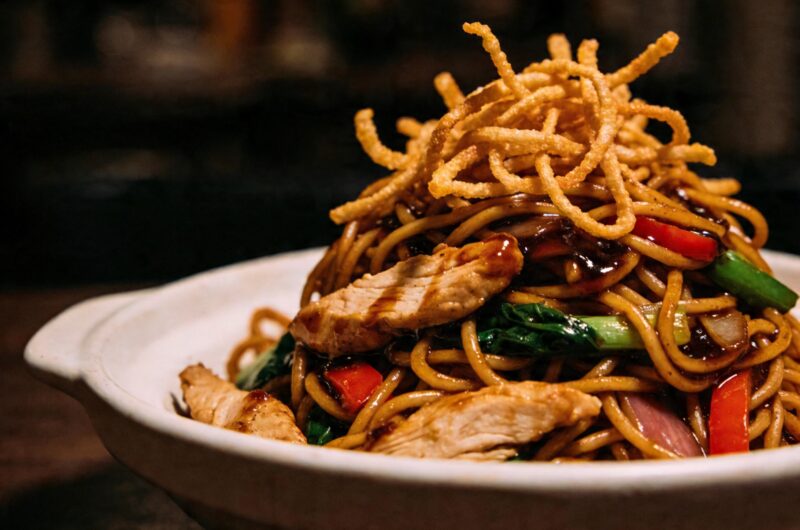
kcalThis chicken chow mein recipe combines tender marinated chicken, crispy stir-fried noodles, and fresh vegetables all tossed in a bold homemade chow mein sauce. Ready in just 30 minutes, it uses simple pantry ingredients and delivers genuine restaurant-style flavour at home — faster and cheaper than any takeout order.
Ingredients
Chicken marinade:
500g boneless skinless chicken breast, thinly sliced
1 tablespoon soy sauce
1 teaspoon cornstarch
1/2 teaspoon sesame oil
1/4 teaspoon white pepper
Chow mein sauce:
3 tablespoons soy sauce
1 tablespoon oyster sauce
1 tablespoon dark soy sauce
1 teaspoon sesame oil
1 teaspoon sugar
1/2 teaspoon white pepper
2 tablespoons water
Noodles and vegetables:
300g fresh chow mein noodles
2 tablespoons vegetable oil
4 garlic cloves, minced
1 teaspoon fresh ginger, grated
1 medium onion, thinly sliced
1 cup bean sprouts
1 medium carrot, julienned
2 cups cabbage, shredded
3 spring onions, cut into 2cm pieces
1 tablespoon vegetable oil (for noodles)
- Marinate chicken with soy sauce, cornstarch, sesame oil, and white pepper for 10 minutes.
- Mix all chow mein sauce ingredients in a bowl and set aside.
- Parboil noodles for 2 minutes, drain, rinse with cold water, then toss with oil.
- Sear chicken in a hot wok for 2 to 3 minutes until golden, then remove and set aside.
- Stir-fry garlic, ginger, and vegetables in the same wok for 3 minutes on high heat.
- Add noodles, pour over sauce, return chicken, toss everything together, add spring onions, and serve immediately.
FAQs
Q1: Can I use spaghetti or regular noodles instead of chow mein noodles? Yes, though the texture will differ slightly. Spaghetti works reasonably well as a substitute — cook it al dente, then oil it before adding to the wok. However, authentic chow mein noodles give you better flavour absorption and a more traditional chicken fried noodles recipe result.
Q2: Why do my noodles clump together in the wok? This usually happens because the noodles were not oiled after draining. Additionally, overcrowding the wok traps steam and causes sticking. Always oil the noodles after draining and cook in batches if your pan feels too full.
Q3: Can I make this gluten-free? Yes. Swap regular soy sauce for tamari and use gluten-free oyster sauce. Replace chow mein noodles with rice noodles, which also absorb the sauce very well. The overall flavour stays close to the original recipe throughout.
Q4: How do I get crispy noodles like a restaurant? After parboiling and oiling the noodles, spread them flat in the hot wok without stirring for 2 to 3 minutes. This crisps the bottom layer. Because most home cooks stir too early, they miss this step and end up with soft results instead.
Q5: Can I add more vegetables to this recipe? Absolutely. Mushrooms, bell peppers, baby corn, and snap peas all work brilliantly here. Add harder vegetables like carrots and peppers earlier in the cooking process, then add softer ones like mushrooms and sprouts later to avoid overcooking them.
Wrapping It Up
This chicken chow mein recipe delivers restaurant-quality results in just 30 minutes at home. Nail the sauce, use high heat, and never overcrowd your wok — those three things make the biggest difference. Whether you try the shrimp version, the pork chow mein recipe, or keep it classic with chicken, this dish delivers every time.
Now close the delivery app and turn on the stove. Your wok is waiting.