Smooth cream cheese is one of those things that most people buy without ever considering making themselves. Which is entirely reasonable — until you taste a properly made homemade version and realise that what you have been spreading on bagels and folding into frostings for years has been a pale, slightly watery imitation of what cream cheese actually tastes like when made correctly.
This smooth cream cheese recipe homemade version uses full-fat ingredients and a simple whipping process that produces a genuinely thick, rich, spreadable result in under 10 minutes. Whether you use it as a whipped cream cheese spread easy enough for a weekday breakfast, a base for frosting, a dip for vegetables, or a filling for baked goods — the texture and flavour this method delivers makes every application taste noticeably better than anything from a standard supermarket block.
What You’ll Need (Ingredients)
Simple, accessible, and worth buying full-fat versions of every single time. The fat content is what creates the smooth, rich texture this recipe depends on entirely.
For smooth cream cheese base:
- 450g (2 cups) full-fat cream cheese, room temperature
- 60ml (¼ cup) double cream, cold
- 2 tablespoons whole milk, room temperature
- 1 tablespoon fresh lemon juice
- ¼ teaspoon fine salt
- ½ teaspoon vanilla extract — for sweet applications only
Sweet cream cheese frosting version:
- 450g full-fat cream cheese, room temperature
- 100g (¾ cup) icing sugar, sifted
- 60ml (¼ cup) double cream, cold
- 1 teaspoon vanilla extract
- 1 tablespoon fresh lemon juice
- ¼ teaspoon fine salt
For a savoury cream cheese dip version:
- 450g full-fat cream cheese, room temperature
- 60ml (¼ cup) double cream, cold
- 1 tablespoon fresh lemon juice
- 1 clove garlic, finely grated
- 2 tablespoons fresh chives, finely chopped
- ¼ teaspoon fine salt
- ¼ teaspoon cracked black pepper
How to Make It — Full Step-by-Step Process
Step One: Bring Cream Cheese to Room Temperature
Remove 450g of full-fat cream cheese from the fridge at least 45 to 60 minutes before you begin — this is the single most important preparation step in the entire recipe and the one most people skip. Room temperature cream cheese beats into a genuinely smooth, lump-free base that incorporates every other ingredient evenly and cleanly.
Cold cream cheese stays stiff and resists breaking down no matter how long you beat it, leaving small dense lumps throughout the finished spread that no additional mixing time will correct. The cream cheese is at the right temperature when you press your finger into the surface and it leaves a clean indent without the cheese feeling sticky, slimy, or shiny. That finger test takes two seconds and tells you everything you need to know about whether to start or wait another 10 minutes.
Step Two: Beat the Cream Cheese Until Completely Smooth
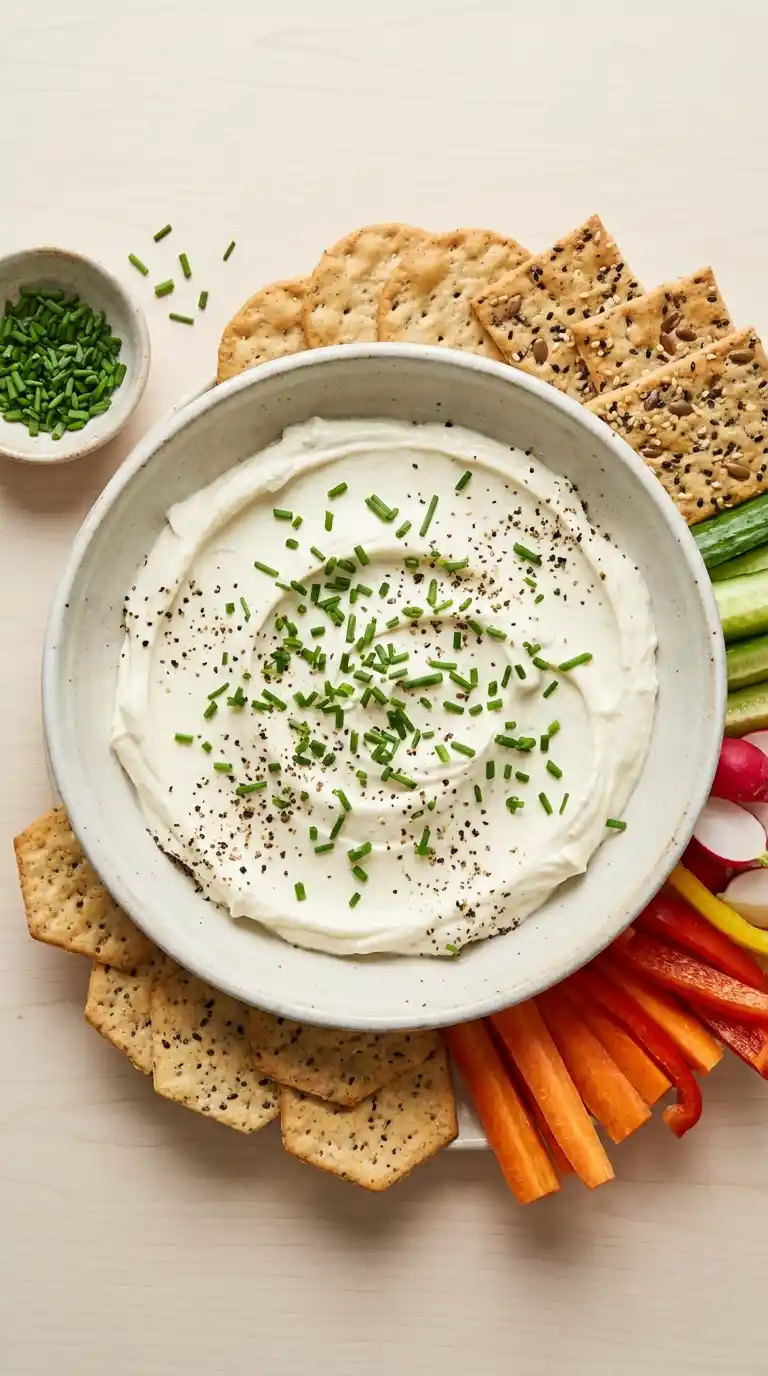
Place the room temperature cream cheese in a large mixing bowl and beat it alone using an electric hand mixer on medium speed for a full 2 to 3 minutes. Starting with cream cheese alone — before adding any liquid — is the step that produces the ultra-smooth, fluffy whipped cream cheese frosting easy texture that defines a properly made result. Beating cream cheese with liquid already present makes it harder to break down the dense block structure and risks a slightly grainy finish.
Beat until the cream cheese looks noticeably lighter in colour, slightly increased in volume, and completely smooth with no visible lumps or dense patches anywhere in the bowl. Scrape down the sides and bottom of the bowl with a spatula after the first minute to ensure every part of the cream cheese gets beaten evenly — cream cheese sticks firmly to the bowl sides and the unbeaten portions around the edges affect the final texture of the whole batch if left unincorporated.
Step Three: Add Liquid and Flavouring Gradually
Add 2 tablespoons of whole milk and 1 tablespoon of fresh lemon juice to the beaten cream cheese. Beat on low speed for 30 seconds until the liquid is roughly combined, then increase to medium speed and beat for 1 full minute until completely incorporated and smooth. Adding liquid in a small initial amount before the cream loosens the cream cheese base and prevents the double cream from causing the mixture to suddenly become too loose to control when added.
Pour 60ml of cold double cream into the bowl and beat on medium speed for 1 to 2 minutes until fully incorporated and the mixture looks smooth, thick, and glossy. The cold double cream whips slightly as it incorporates into the beaten cream cheese, adding a subtle airiness to the texture that makes the finished spread feel lighter and more spreadable than a plain softened cream cheese block. Add ¼ teaspoon of fine salt and ½ teaspoon of vanilla extract for the sweet version, then beat for a final 30 seconds. The salt is essential in both sweet and savoury versions — it balances the richness of the fat and brings every other flavour in the recipe into focus.
Step Four: Adjust Texture and Consistency
Check the consistency of the finished cream cheese by lifting the beaters and observing how the mixture falls. For a perfect cream cheese filling recipe smooth enough for piping or spreading thickly, the mixture should fall slowly and hold a soft peak briefly before settling — firm enough to spread without running, soft enough to pipe through a nozzle without resistance.
If the mixture feels too thick for your intended use, add milk one teaspoon at a time and beat briefly between each addition until the consistency reaches the right point. If it feels too loose — which occasionally happens in very warm kitchens — refrigerate for 15 minutes and beat again briefly to restore the right spreadable texture. Getting the consistency right before using the cream cheese in any application produces a significantly better finished result, whether you are spreading it on a bagel, piping it onto cupcakes, or layering it inside a cake as a rich creamy cheese spread homemade recipe filling.
Step Five: Make the Sweet Frosting or Savoury Dip Version
For the soft cream cheese frosting recipe smooth enough for cakes and cupcakes, add 100g of sifted icing sugar to the beaten cream cheese base in two additions, beating on low speed after each addition to prevent a sugar cloud. Once both additions are incorporated, beat on medium-high for 1 full minute until the frosting looks pale, fluffy, and smooth. This easy soft cream cheese frosting for cakes holds its shape well enough for spreading and light piping and tastes considerably less sweet than a standard buttercream, making it the better choice for carrot cake, red velvet, banana cake, and any other recipe where a rich but not cloying frosting works best.
For the homemade cream cheese dip smooth texture version, fold in 1 finely grated garlic clove, 2 tablespoons of finely chopped fresh chives, and ¼ teaspoon of cracked black pepper after the cream and milk are fully incorporated. Stir rather than beat at this stage to distribute the additions evenly without overworking the mixture. Transfer to a serving bowl and refrigerate for at least 20 minutes before serving — the brief chilling time allows the garlic and chive flavours to develop and mellow into the cream cheese base rather than tasting sharp and raw. 🙂
Why Full-Fat Cream Cheese Produces the Best Results
Have you ever made a cream cheese frosting or spread with reduced-fat cream cheese and found the result thin, slightly watery, and impossible to pipe cleanly? The fat content is the entire reason.
Full-fat cream cheese contains enough fat to hold its structure when beaten, incorporated with liquid, and applied to a surface. Reduced-fat versions contain more water and less fat, which means they stay soft, release liquid into frostings and dips over time, and pipe poorly regardless of how cold you keep them. The smooth cream cheese icing recipe cupcakes format in particular depends on full-fat cream cheese because piped decoration needs to hold its shape for several hours at room temperature without drooping or weeping.
The same applies to the double cream used in this recipe. Single cream or skimmed milk produces a thinner, less stable result that lacks the richness of texture the finished spread needs to feel genuinely luxurious. FYI, every calorie you save by using lower-fat alternatives in this recipe comes directly at the expense of the texture and stability that make the finished product worth making in the first place.
Making the Whipped Version Even Lighter
The creamy cream cheese spread recipe easy whipped variation takes this from a standard spreadable cream cheese into something with a noticeably lighter, almost mousse-like texture that works beautifully on toast, crackers, and as a dip for fresh vegetables.
Increase the cold double cream to 80ml and beat the entire mixture on high speed for an extra 60 seconds after all ingredients are incorporated. The additional cream and extended beating time incorporate more air into the mixture and produce a spread that looks visibly fluffier, spreads more easily, and has a lighter mouthfeel than the standard version. IMO the whipped version is the better choice for any application where the cream cheese is served on its own rather than baked into something, because the texture makes an immediate impression on anyone who tries it.
Common Mistakes to Avoid
Using cold cream cheese: Cold cream cheese does not beat smooth regardless of how long you run the mixer. The dense, cold fat resists breaking down and produces a lumpy, uneven texture that affects every application you use it in. Always allow 45 to 60 minutes at room temperature before starting.
Adding all the liquid at once: Pouring all the milk and cream in simultaneously before the cream cheese is properly loosened risks making the mixture too thin to control. Add the milk first to loosen, then the cream to finish — this two-stage approach produces a consistently smooth result.
Over-beating after adding cream: Once the double cream is incorporated and the mixture reaches the right consistency, stop beating immediately. Over-beating causes the fat in both the cream cheese and the cream to separate slightly, producing a slightly grainy texture that looks curdled rather than smooth. :/
Skipping the salt in sweet versions: Salt in a sweet cream cheese frosting is not optional — it cuts the sweetness of the icing sugar and allows the cream cheese flavour to come through clearly. Without it, the frosting tastes one-dimensionally sweet rather than rich and balanced.
Using liquid food colouring in frosting: Liquid colouring adds water to the frosting and makes it too soft to pipe cleanly. Use gel food colouring exclusively for any smooth cream cheese icing recipe cupcakes application where colour is needed.
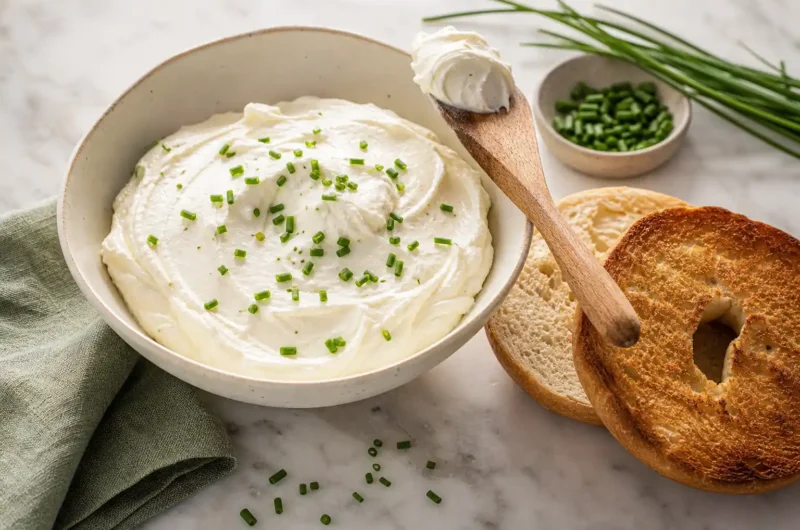
Easy Soft Cream Cheese Frosting For Cakes and Cupcakes
8
servings10
minutesThis smooth cream cheese beats room temperature full-fat cream cheese until fluffy, then incorporates whole milk, lemon juice, cold double cream, and salt into a thick, spreadable, versatile base ready in 10 minutes. Adapts into a sweet frosting with icing sugar or a savoury dip with garlic and chives.
Ingredients
Smooth cream cheese base:
450g full-fat cream cheese, room temperature
60ml double cream, cold
2 tablespoons whole milk, room temperature
1 tablespoon fresh lemon juice
¼ teaspoon fine salt
½ teaspoon vanilla extract for sweet version
Sweet frosting version additions:
100g icing sugar, sifted
1 teaspoon vanilla extract
Savoury dip version additions:
1 clove garlic, finely grated
2 tablespoons fresh chives, finely chopped
¼ teaspoon cracked black pepper
- Remove cream cheese from fridge 45 to 60 minutes before starting
- Check temperature by pressing finger into surface — should indent cleanly without stickiness
- Place room temperature cream cheese in a large mixing bowl
- Beat alone on medium speed for 2 to 3 minutes until smooth and slightly pale
- Scrape down bowl sides and bottom with a spatula after the first minute
- Add whole milk and lemon juice and beat on low for 30 seconds
- Increase to medium speed and beat for 1 full minute until fully incorporated
- Pour in cold double cream and beat on medium for 1 to 2 minutes until smooth
- Add salt and vanilla extract for sweet version and beat for 30 more seconds
- Check consistency by lifting beaters — should hold a soft peak briefly
- Add milk one teaspoon at a time if too thick and beat briefly between additions
- Refrigerate for 15 minutes and re-beat if mixture feels too loose
- For sweet frosting add sifted icing sugar in two additions beating on low after each
- Beat frosting on medium-high for 1 full minute until pale fluffy and smooth
- For savoury dip fold in grated garlic, chopped chives, and black pepper gently
- Refrigerate savoury dip for 20 minutes before serving to develop flavours
- Transfer finished cream cheese to serving bowl or piping bag and use immediately
FAQs
Q1: How long does homemade smooth cream cheese keep? Store in an airtight container in the fridge for up to 5 days. The sweet frosting version keeps for up to 4 days — the icing sugar draws a small amount of moisture from the cream cheese over time and the texture becomes slightly softer after day three. Stir or briefly beat refrigerated cream cheese before using to restore its smooth, spreadable consistency.
Q2: Can I pipe this cream cheese frosting onto cupcakes? Yes — the sweet frosting version pipes well through a large star or round nozzle when made to the correct consistency and kept cold. Refrigerate the filled piping bag for 10 minutes before piping if your kitchen is warm. The frosting holds piped shapes for 2 to 3 hours at room temperature and firms further in the fridge, making it reliable for decorated cupcakes served at parties or events.
Q3: Can I freeze cream cheese frosting? Yes — freeze in an airtight container for up to 2 months. Defrost overnight in the fridge and beat briefly with the mixer before using to restore its smooth texture. Frozen and defrosted cream cheese frosting occasionally looks slightly grainy after thawing — beating for 1 to 2 minutes on medium speed almost always resolves this completely.
Q4: What is the difference between cream cheese frosting and buttercream? Cream cheese frosting uses cream cheese as the fat base, which produces a tangy, slightly less sweet result that tastes more complex than standard buttercream. Buttercream uses butter exclusively and tastes richer and sweeter. Cream cheese frosting is less stable at warm temperatures than buttercream and requires refrigeration for decorated cakes left out for more than 2 hours. For carrot cake, red velvet, and banana loaf, cream cheese frosting is categorically the better pairing.
Wrapping It Up
This fluffy whipped cream cheese frosting easy method delivers a genuinely smooth, rich, versatile cream cheese base from a 10-minute process. Beat room temperature full-fat cream cheese alone until smooth and pale, add milk and lemon juice gradually, incorporate cold double cream, season with salt, then adapt into a sweet frosting or savoury dip version depending on your needs. Those five steps produce a perfect result every single time.
Whether you spread this on a toasted bagel for breakfast, pipe it onto red velvet cupcakes for a celebration, use it as a homemade cream cheese dip smooth texture version for a dinner party spread, or fold it into a cheesecake filling — it consistently outperforms anything from a supermarket block. Now soften that cream cheese and make something worth spreading.