There are certain recipes that carry real weight — not just in calories, but in memory and meaning. A proper Southern pound cake recipe homemade is one of them. Dense, buttery, golden-crusted, and impossibly moist in the center — this is the kind of cake that gets requested at every gathering and disappears within the first twenty minutes every single time.
My grandmother made this cake without measuring anything. She just knew. I spent three years reverse-engineering her recipe and testing it until I could replicate that exact result consistently. This easy Southern pound cake from scratch guide is everything I learned condensed into one reliable, detailed method that works every single time you make it.
Servings: 12 to 14 slices Prep Time: 20 minutes Bake Time: 1 hour 15 minutes to 1 hour 30 minutes Cooling Time: 30 minutes in pan, then 30 minutes on rack Total Time: Approximately 2 hours 30 minutes
What You Need — The Full Ingredients List
This classic buttery pound cake recipe relies on a short list of very high-quality ingredients. Every item matters enormously here. Do not substitute or approximate.
- 450g unsalted butter, completely at room temperature (this is non-negotiable — cold butter ruins the batter)
- 3 cups granulated white sugar
- 6 large eggs, at room temperature
- 3 cups all-purpose flour, sifted (sifting removes lumps and aerates the flour for a more tender crumb)
- 1/4 teaspoon baking soda
- 1/4 teaspoon salt
- 1 cup full-fat sour cream, at room temperature (the secret to extraordinary moisture)
- 2 teaspoons pure vanilla extract (never imitation vanilla — the flavor difference is immediately obvious)
- 1 teaspoon pure almond extract (optional but adds a subtle warmth that elevates the overall flavor significantly)
- 1 tablespoon unsalted butter plus 2 tablespoons all-purpose flour (for greasing and flouring the pan)
FYI, every single dairy and egg ingredient in this recipe must be at genuine room temperature before you begin. Cold sour cream, cold eggs, or cold butter cause the batter to curdle during mixing, which produces a dense, gummy cake instead of the light, tender crumb you are working toward.
The Making Process — Every Step in Complete Detail
Step 1: Prepare Your Pan Properly — Do Not Rush This
Start with the pan before you touch a single ingredient. A Southern pound cake bakes in either a 10-inch tube pan, a bundt pan, or a 10-inch loaf pan — all three work, but the tube pan produces the most even, traditional result with the best crust development on all sides. Generously butter the interior of the pan with softened butter using a pastry brush or your fingers, getting into every crevice and decorative groove if using a bundt pan.
After buttering, add two tablespoons of all-purpose flour to the pan. Tilt and shake the pan so the flour coats every buttered surface completely, then invert the pan over the sink and tap firmly to remove all the excess. This butter-and-flour coating creates a physical barrier between the cake batter and the pan surface that allows the finished cake to release cleanly without sticking or tearing. Skipping or rushing this step causes heartbreaking results when you try to unmold the cake after baking.
Set the prepared pan aside and preheat your oven to 160 degrees Celsius. Pound cake bakes low and slow — higher temperatures create a tough, thick crust and an undercooked center. The lower temperature allows the entire cake to bake through evenly from edge to center before the outside over-browns.
Step 2: Cream the Butter and Sugar — This Takes Longer Than You Think
Place the room-temperature butter in the bowl of a stand mixer fitted with the paddle attachment, or use a large bowl with a handheld electric mixer. Beat the butter on medium speed for a full three minutes before adding any sugar. The butter should look pale, visibly lighter in color, and fluffy in texture after three minutes — not just soft, but genuinely aerated.
Add the granulated sugar to the beaten butter in three separate additions, beating for two full minutes after each addition. The total creaming time from the first addition of sugar to the final incorporation should be at least six to eight minutes on medium to medium-high speed. The mixture should look very pale — almost white — and feel light and cloud-like when you rub a small amount between your fingers. Do you see sugar granules between your fingers? Keep creaming. You want to feel almost no grittiness.
This extended creaming process is the foundation of the entire traditional pound cake recipe simple texture. The mechanical action forces air bubbles into the fat, and those air bubbles expand during baking and create the tender, fine crumb that defines a great pound cake. Rushing this step produces a cake that is noticeably denser and greasier than one where the creaming was done properly.
Step 3: Add the Eggs One at a Time — No Exceptions
Crack your room-temperature eggs into a small bowl or cup rather than directly into the mixer. Adding eggs one at a time and checking each one before it goes in prevents any potential shell fragments or bad eggs from ruining the entire batter. With a recipe that uses six eggs and 450 grams of premium butter, a bad egg is an expensive and frustrating problem to avoid.
Add each egg to the creamed butter and sugar mixture individually, beating on medium speed for a full 30 seconds after each addition before the next one goes in. This gradual incorporation allows the egg to fully emulsify with the fat before the next addition of liquid arrives. Adding all six eggs at once overwhelms the fat’s capacity to absorb liquid and causes the batter to break — the fats and liquids separate into a curdled, uneven mess that never fully recovers even with continued mixing.
After all six eggs are incorporated, scrape down the sides and bottom of the bowl thoroughly with a rubber spatula. Mix again briefly on low speed for ten seconds. The batter at this stage should look smooth, thick, pale yellow, and very cohesive — similar in appearance to a thick, creamy custard. If it looks slightly curdled or broken, do not panic — the flour additions will bring it back together in the next step.
Step 4: Sift and Add the Dry Ingredients
Sift the three cups of all-purpose flour, baking soda, and salt together into a separate bowl. Sifting aerates the flour and ensures the baking soda and salt distribute completely evenly throughout — clumps of baking soda in pound cake batter create bitter spots in the finished crumb. Never skip the sifting step for this recipe.
Add the sifted dry ingredients to the batter in three additions, alternating with the sour cream. The sequence is: one-third of the flour mixture, half the sour cream, one-third flour, remaining sour cream, final third of flour. Begin and end with the dry ingredients. Mix on the lowest speed setting after each addition — just until the flour disappears into the batter with no visible white streaks remaining. Do not overmix.
The sour cream is the ingredient that makes this moist Southern butter pound cake genuinely exceptional. The fat content in full-fat sour cream adds richness and moisture while the slight acidity activates the tiny amount of baking soda and tenderizes the gluten in the flour. The result is a crumb that stays moist for days rather than drying out by the next morning. This is why old fashioned pound cake recipe moist versions always outperform basic butter-and-flour versions.
Step 5: Add Vanilla and Almond Extract
Add the vanilla extract and almond extract to the batter after the final addition of flour. Mix on low speed for just ten seconds. The extracts incorporate quickly and need minimal mixing. Overmixing at this stage develops the gluten in the flour and toughens the crumb — so add the extracts, mix briefly, and stop.
Scrape down the bowl one final time and give the batter a few gentle folds with a rubber spatula to ensure everything from the very bottom of the bowl is fully incorporated. The finished batter should be very thick — thick enough to hold a ribbon shape when you lift the spatula and let it fall back into the bowl. Thin, pourable batter indicates too much liquid or insufficiently creamed butter and sugar.
Step 6: Fill the Pan and Smooth the Top
Spoon the thick batter into the prepared tube or bundt pan in large scoopfuls. Use a rubber spatula or offset spatula to smooth the top surface of the batter into an even, level layer. Tap the pan firmly on the countertop three or four times to release any large air bubbles trapped in the batter. Large air bubbles create hollow tunnels in the finished crumb — the tapping step pushes them to the surface before baking.
Do not fill the pan more than two-thirds full — pound cake rises during baking and a too-full pan overflows messily onto the oven floor. If you have excess batter after filling the pan two-thirds, bake the remainder in a small buttered loaf pan alongside the main cake. Never compress or press the batter down in the pan — just smooth the surface and let it settle naturally.
Step 7: Bake Low and Slow — Patience Required
Place the filled pan on the center rack of your preheated 160-degree Celsius oven. Bake for 1 hour and 15 minutes before checking for the first time. Do not open the oven door before this point — premature opening causes the cake to sink in the center as the structure collapses before the crumb has set. The warm, flour-coated batter needs an uninterrupted environment to build its structure during the first hour of baking.
After 1 hour and 15 minutes, insert a long wooden skewer or thin cake tester into the center of the cake — straight down through the center tube opening if using a tube pan. The skewer should come out completely clean with no wet batter clinging to it. A few dry crumbs are acceptable and indicate a perfectly moist cake. If wet batter sticks to the skewer, return the cake to the oven and check every ten minutes until it comes out clean.
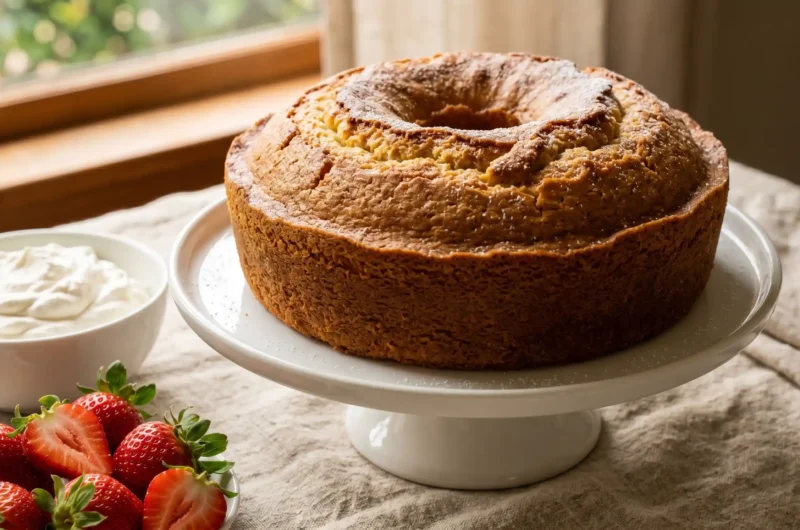
The top of the cake should display a deep golden-brown color with a characteristic crack running along the center — this crack is not a flaw. It is actually the hallmark of a proper Southern dessert pound cake recipe and indicates that the cake rose correctly and the crumb developed as it should. A perfectly smooth, crack-free top on a pound cake often indicates underbaking or a recipe error rather than success.
Step 8: Cool Correctly — Two Stages of Cooling
Remove the baked cake from the oven and place the pan on a wire cooling rack. Let the cake cool inside the pan for exactly 30 minutes — not less, not more. Too little time in the pan means the cake is still too fragile and hot to hold its shape when unmolded. Too long in the pan traps steam underneath the cake and creates a soggy bottom crust. Thirty minutes is the proven window.
After 30 minutes, run a thin knife or offset spatula around the outer edge of the cake between the cake and the pan wall. Place a wire rack directly over the top of the pan, then flip both together in one confident, decisive motion. Lift the pan away — the cake should release cleanly onto the rack. If it sticks slightly, tap the bottom of the pan gently. Let the unmolded cake cool on the wire rack for another 30 minutes before slicing.
Slicing a pound cake before it has fully cooled produces gummy, compressed slices that do not showcase the cake’s actual texture. The crumb needs time to fully set after coming out of the oven — cutting too early squashes the delicate structure you spent two hours building :/
Why Room Temperature Ingredients Are Not Optional
This point deserves its own section because it genuinely determines success or failure in this rich buttery pound cake recipe easy:
- Cold butter: Cannot cream properly — stays in chunks rather than aerating, produces a dense, greasy cake
- Cold eggs: Cause the emulsified butter and sugar to seize and curdle when added — the batter breaks and never fully recovers
- Cold sour cream: Creates temperature shock in the batter and can cause separation or uneven mixing
- The fix: Remove all refrigerated ingredients at least 60 to 90 minutes before you begin mixing — 90 minutes in a cool kitchen, 60 minutes in a warm one
Variations Worth Trying
Cream Cheese Pound Cake
Replace 115g of the butter with 225g of full-fat cream cheese at room temperature. Cream the cream cheese and remaining butter together before adding the sugar. The cream cheese version produces an even denser, more tangy, incredibly rich cake with a tighter crumb than the sour cream version. It is a beloved Southern style vanilla pound cake variation that appears at nearly every Southern church bake sale.
Lemon Pound Cake
Add the zest of two large lemons and one tablespoon of fresh lemon juice to the batter along with the vanilla extract. Make a simple lemon glaze by whisking 1.5 cups of powdered sugar with three tablespoons of fresh lemon juice and drizzle it over the completely cooled cake. The bright citrus cuts through the richness of the butter beautifully and creates a completely different flavor profile from the same base recipe.
Brown Butter Pound Cake
Brown the butter before using it — melt it in a pan over medium heat, stirring constantly until it turns golden and smells deeply nutty. Pour it into a bowl and refrigerate until it resolidifies to the consistency of soft room-temperature butter. Use this brown butter exactly as you would regular butter in the recipe. The result is a homemade classic pound cake dessert with a deeply nutty, caramel-like depth that takes the standard version to another level entirely.
Storage and Serving Guide
This Southern pound cake recipe homemade stores exceptionally well:
- Room temperature: Wrap tightly in plastic wrap and store at room temperature for up to five days — the sour cream keeps it moist far longer than butter-only recipes
- Refrigerator: Wrap tightly and refrigerate for up to ten days — bring to room temperature before serving for the best texture
- Freezer: Wrap individual slices in plastic wrap then foil and freeze for up to three months — thaw at room temperature for two hours before serving
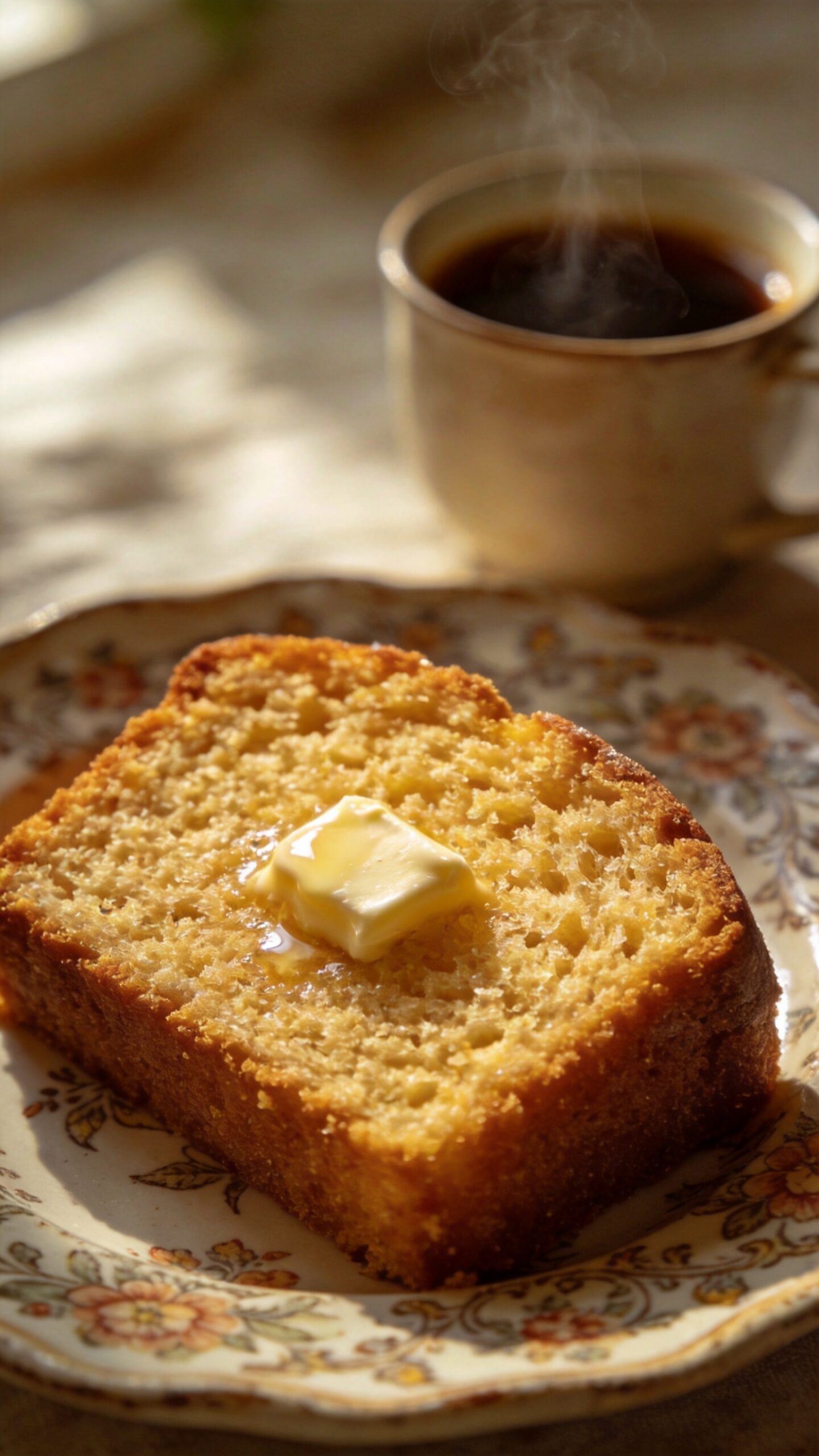
- Serving suggestions: Plain with coffee, topped with fresh strawberries and whipped cream, drizzled with salted caramel sauce, or toasted in a pan with butter until the cut surface caramelizes
Rich Buttery Pound Cake Recipe You Have Been Missing
14
servings20
minutes1
hour20
minutes30
minutesThis Southern Pound Cake uses 450 grams of butter creamed with sugar until pale and airy, combined with six eggs, sour cream, and vanilla for a dense, buttery, impossibly moist crumb. Baked low and slow at 160 degrees Celsius for over an hour, it serves 12 to 14 people generously.
Ingredients
INGREDIENTS LIST
450g unsalted butter, room temperature
3 cups granulated white sugar
6 large eggs, room temperature
3 cups all-purpose flour, sifted
1/4 teaspoon baking soda
1/4 teaspoon salt
1 cup full-fat sour cream, room temperature
2 teaspoons pure vanilla extract
1 teaspoon pure almond extract (optional)
1 tablespoon butter plus 2 tablespoons flour (for pan preparation)
- Preheat oven to 160 degrees Celsius and prepare the tube or bundt pan by thoroughly buttering every interior surface, then flouring it completely and tapping out all excess
- Ensure all refrigerated ingredients — butter, eggs, and sour cream — have been at room temperature for at least 60 to 90 minutes before beginning
- Beat room-temperature butter in a stand mixer on medium speed for three full minutes until pale and visibly airy
- Add granulated sugar in three separate additions, beating for two full minutes after each addition, for a total creaming time of six to eight minutes until the mixture looks pale and almost white
- Add the six room-temperature eggs one at a time, beating for 30 seconds after each addition before adding the next, then scrape down the bowl and mix briefly
- Sift flour, baking soda, and salt together in a separate bowl
- Add the sifted dry ingredients in three additions alternating with the sour cream — flour, sour cream, flour, sour cream, flour — mixing on the lowest speed just until each addition disappears with no visible white streaks
- Add vanilla and almond extract, mix on low for ten seconds, then fold the bottom of the bowl with a rubber spatula to fully incorporate
- Spoon thick batter into the prepared pan filling no more than two-thirds full, smooth the top, and tap the pan firmly on the counter three to four times to release air bubbles
- Bake at 160 degrees Celsius for 1 hour 15 minutes without opening the oven door, then test with a skewer and continue baking in ten-minute intervals until the skewer comes out completely clean
- Cool the cake in the pan on a wire rack for exactly 30 minutes, then run a knife around the edges, invert onto the rack, and cool for another 30 minutes before slicing
Frequently Asked Questions
Q1: Why did my pound cake sink in the middle? A sunken center almost always results from one of three causes — opening the oven door too early during baking, underbaking the cake before removing it from the oven, or using too much leavening agent. Pound cake uses very little baking soda compared to regular cakes because it relies on the air incorporated during creaming for its rise. Opening the oven before the one-hour mark collapses the structure before the crumb sets. Always test with a skewer before removing.
Q2: Why is my pound cake dense and gummy instead of tender? Dense, gummy pound cake results from insufficient creaming of the butter and sugar, cold ingredients that did not emulsify properly, or overmixing after the flour was added. The creaming stage — building air into the fat — is the primary leavening mechanism in pound cake. If the butter and sugar look dense and yellow rather than pale and fluffy after creaming, keep going. And always stop mixing the moment the flour disappears.
Q3: Can I use salted butter instead of unsalted? You can but you need to adjust — reduce or eliminate the added salt in the recipe if using salted butter. The larger issue is that different brands of salted butter contain varying amounts of salt, making the final seasoning of the cake unpredictable. Unsalted butter gives you complete control over the salt level. IMO, unsalted butter is always the better choice for baking where precision matters.
Q4: Can I make this recipe without a stand mixer? Yes — a handheld electric mixer works perfectly well for this recipe. The key requirement is that the mixer runs on medium to medium-high speed for the full creaming duration. Hand-mixing with a spoon does not incorporate enough air into the butter and sugar to produce the correct texture. The creaming stage alone takes six to eight minutes of continuous electric mixing — that is not achievable by hand.
Bake This Today — Your Kitchen Deserves This Smell
This moist Southern butter pound cake is one of those recipes that rewards you with an experience as much as a result. The smell of butter, vanilla, and sugar slowly baking fills the whole house for two hours. The golden crust that forms around the edges and bottom of the pan. The clean skewer moment. The unmolding. All of it.
Follow the steps, respect the creaming time, use room temperature ingredients, and let it cool properly. Do all of that and you will have a pound cake that would make any Southern grandmother proud. Now go make it 🙂