The first time I made creamy Cajun chicken pasta at home, I genuinely could not believe it came out of my own kitchen. Bold spice, rich cream sauce, perfectly seared chicken, and pasta that absorbed every last drop of flavour — it tasted like something from an actual restaurant. That was the last time I paid someone else to make it.
This creamy Cajun chicken pasta recipe delivers everything you want from a southern-style pasta dish without requiring professional skills or complicated equipment. One pan for the chicken, one pot for the pasta, and a sauce that comes together in under 10 minutes. Quick, rich, deeply spiced, and genuinely impressive every single time.
What You’ll Need (Ingredients)
Everything here comes from a regular supermarket. Nothing unusual, nothing that requires a specialist shop.
For Cajun chicken:
- 500g (18 oz) boneless skinless chicken breast, sliced into thin strips
- 2 teaspoons Cajun seasoning — store-bought or homemade
- 1/2 teaspoon smoked paprika
- 1/2 teaspoon garlic powder
- 1/4 teaspoon black pepper
- 1/4 teaspoon salt
- 1 tablespoon olive oil
Pasta:
- 350g (12 oz) penne or rigatoni pasta
- 1 tablespoon salt for pasta water
For the creamy Cajun sauce:
- 1 tablespoon butter
- 4 garlic cloves, finely minced
- 1 medium onion, finely diced
- 1 red bell pepper, thinly sliced
- 1 yellow bell pepper, thinly sliced
- 300ml (1.25 cups) heavy cream
- 150ml (2/3 cup) chicken stock
- 1.5 teaspoons Cajun seasoning
- 1/2 teaspoon smoked paprika
- 1/2 teaspoon dried oregano
- 1/4 teaspoon cayenne pepper — adjust to heat preference
- 60g (2 oz) Parmesan cheese, freshly grated
- 1/2 cup reserved pasta water
- Salt and pepper to taste
For garnish:
- Fresh parsley, roughly chopped
- Extra Parmesan for serving
- Lemon wedges — optional
How to Make It — Full Step-by-Step Process
Step One: Season and Prepare the Chicken
Place your 500g of sliced chicken breast strips into a large bowl. Add 2 teaspoons of Cajun seasoning, 1/2 teaspoon of smoked paprika, 1/2 teaspoon of garlic powder, 1/4 teaspoon of black pepper, and 1/4 teaspoon of salt directly onto the chicken. Use your hands or a spoon to toss the strips thoroughly until every piece carries an even, visible coating of spice on all sides.
Do not rush this step — uneven seasoning means some bites taste boldly spiced while others taste flat and under-seasoned. The coating on each strip also forms a flavourful crust during searing, which contributes significantly to the depth of flavour in the finished sauce. Set the seasoned chicken aside while you bring the pasta water to a boil. Room temperature chicken sears faster and more evenly than chicken taken directly from the fridge.
Step Two: Boil the Pasta
Fill a large pot with water and bring it to a full rolling boil over high heat. Add 1 tablespoon of salt to the water — properly salted pasta water seasons the pasta from the inside out, which no amount of sauce added afterwards can replicate. Add 350g of penne or rigatoni and cook according to the packet instructions until al dente — firm with a slight bite remaining in the centre.
Before draining, use a ladle or measuring jug to scoop out 1/2 cup of the starchy pasta cooking water and set it aside in a small bowl. This cloudy, starch-rich water plays a critical role later when building the sauce — it helps emulsify the cream and Parmesan into a cohesive, silky sauce rather than a greasy, separated one. Drain the pasta and toss it immediately with a drizzle of olive oil to prevent sticking. Set aside while you work on the chicken and sauce.
Step Three: Sear the Chicken
Heat a large wide skillet or frying pan over high heat for a full 2 minutes. Add 1 tablespoon of olive oil and swirl it to coat the base of the pan completely. Add the seasoned chicken strips in a single even layer — do not overlap pieces or pile them on top of each other. Crowding the pan traps steam between the pieces and prevents the spice coating from forming the caramelised, slightly charred crust that gives this easy Cajun chicken pasta skillet recipe its distinctive depth of flavour.
Cook the chicken undisturbed on the first side for 3 to 4 minutes. You should see the edges of each strip turn white and opaque as the heat moves through the meat. Flip every piece using tongs and cook the second side for another 2 to 3 minutes until fully cooked through. The exterior of each strip should look deep orange-red with slightly darkened edges from the Cajun spice coating caramelising against the hot pan.
Remove the chicken from the pan and transfer it to a clean plate. Do not wash or wipe the pan — all those caramelised spice bits stuck to the base carry enormous flavour and will dissolve into the sauce in the next step. Slice the rested chicken into bite-sized pieces if the strips feel too large, or leave them whole if they already look like a good serving size.
Step Four: Build the Cajun Cream Sauce
Return the same pan to medium heat and add 1 tablespoon of butter. As soon as the butter melts and begins to foam slightly, add the finely diced onion. Cook the onion for 3 to 4 minutes, stirring occasionally, until it turns soft, translucent, and just beginning to catch a little colour at the edges.
Add the 4 minced garlic cloves and stir continuously for 60 seconds. The pan should smell intensely fragrant at this point — garlic hits its flavour peak at around 60 seconds on medium heat before starting to turn bitter. Add the sliced red and yellow bell peppers immediately after the garlic and cook for 2 to 3 minutes, stirring regularly, until the peppers soften slightly but still hold their shape and retain a little crunch.
Add 1.5 teaspoons of Cajun seasoning, 1/2 teaspoon of smoked paprika, 1/2 teaspoon of dried oregano, and 1/4 teaspoon of cayenne pepper directly into the pan with the vegetables. Stir everything together for 30 seconds so the spices toast briefly in the residual butter and oil. This brief toasting releases the volatile compounds in the spices and deepens their flavour significantly compared to adding them directly into cold liquid. It takes half a minute and makes a real difference to the finished sauce.
Step Five: Add the Cream and Stock
Pour 150ml of chicken stock into the pan first and stir immediately, scraping all the caramelised bits from the base of the pan as the liquid hits the hot surface. Those stuck bits dissolve into the stock within seconds and add a deep, savoury richness to the garlic Cajun chicken pasta creamy sauce that no amount of extra seasoning can replicate. Allow the stock to bubble for 60 seconds before adding anything else.
Reduce the heat to medium-low and pour in 300ml of heavy cream slowly while stirring continuously. The sauce will immediately turn a deep orange-red as the cream combines with the Cajun spices — that colour tells you the spice distribution is working correctly. Allow the sauce to reach a gentle simmer — small lazy bubbles forming at the edges rather than a vigorous boil. Cook for 3 to 4 minutes, stirring regularly, until the sauce reduces slightly and thickens enough to coat the back of a spoon.
Add the 60g of freshly grated Parmesan cheese now, stirring continuously as you add it a little at a time. Never add all the Parmesan at once — adding it gradually while stirring gives each addition time to melt fully into the sauce before the next goes in. If the sauce looks too thick after the Parmesan, add a splash of the reserved pasta water — start with 2 tablespoons and stir it through. The starch in the pasta water thins the sauce while simultaneously helping it cling better to the pasta. Taste and adjust salt, pepper, and cayenne as needed.
Step Six: Combine Pasta, Chicken, and Sauce
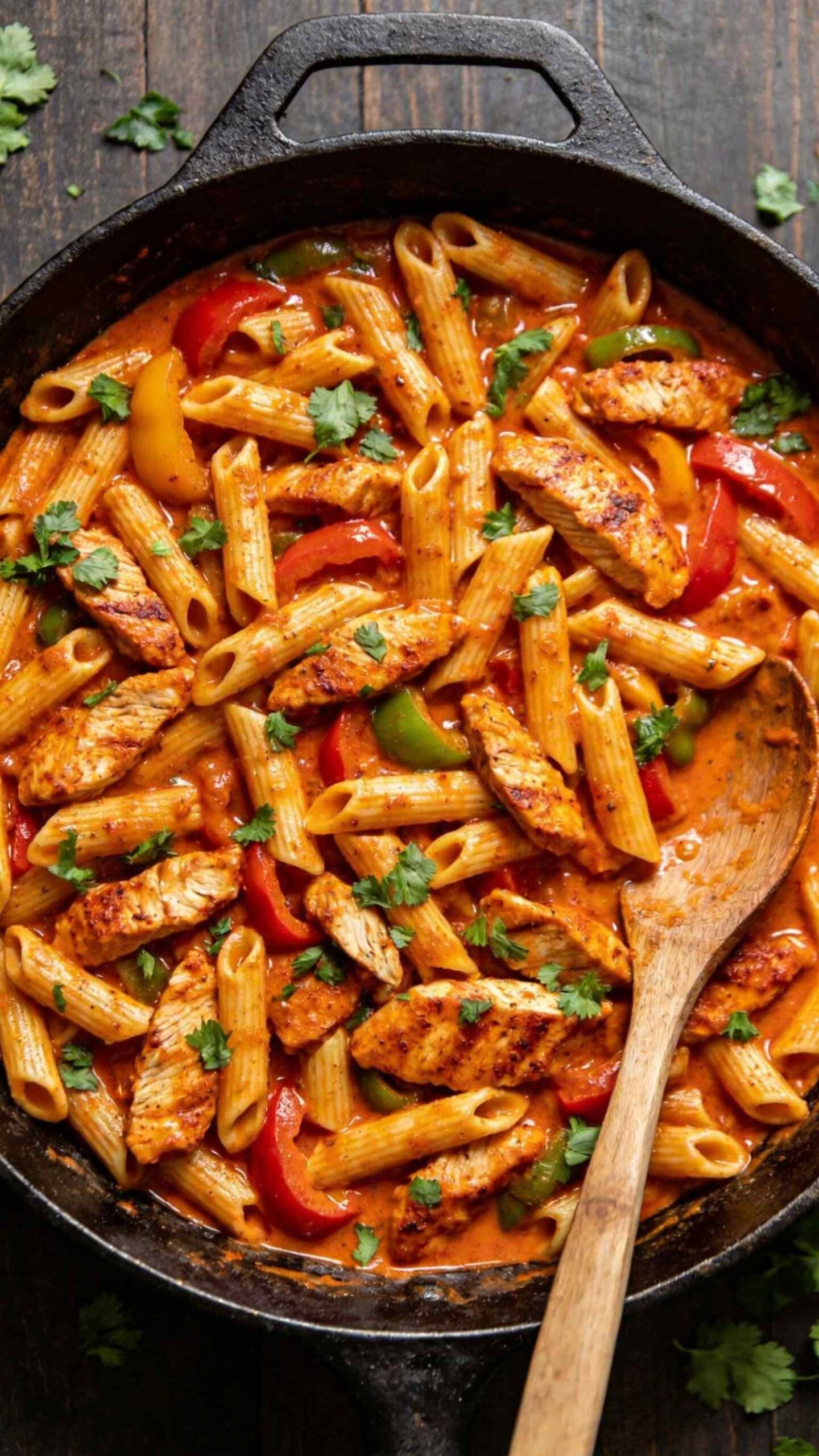
Add the drained pasta directly into the pan with the sauce. Use tongs to toss everything together thoroughly for about 60 seconds over medium-low heat until every piece of pasta looks evenly coated in the deep orange-red cream sauce. Add another splash of pasta water if the sauce tightens up too much during this tossing stage.
Add the seared chicken pieces back into the pan and fold them through the pasta gently. The chicken sits on top of the pasta rather than getting buried underneath it — this way every serving gets an even distribution of chicken pieces rather than a pile of pasta at the bottom with all the chicken at the top. Cook for a final 60 seconds together over medium heat to warm the chicken through and let it absorb some of the sauce.
FYI — taste one final time at this stage before plating. The flavour should be bold, creamy, slightly spicy, and deeply savoury. If it needs more heat, add a pinch more cayenne. If it tastes flat, a squeeze of fresh lemon juice over the finished pan brightens the entire dish immediately.
Step Seven: Plate and Garnish
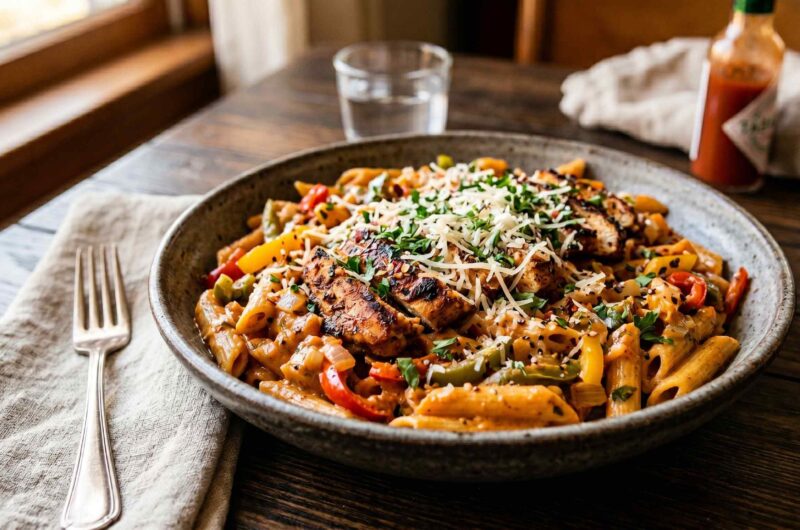
Divide the pasta between four warmed bowls or plates. Use tongs to twirl and stack the pasta slightly for a more visually appealing presentation rather than just dropping a flat scoop onto the plate. Scatter a generous amount of freshly chopped parsley over each serving and finish with an extra grating of Parmesan directly over the top.
A lemon wedge on the side adds a fresh citrus element that guests can squeeze over their portion to taste. IMO, this small addition elevates the whole presentation from a home-cooked pasta to something that genuinely looks restaurant-worthy. Serve immediately while the sauce is still hot and loose — creamy pasta sauces tighten quickly as they cool, so the window for the ideal texture is the first 5 to 7 minutes after plating. :/
Why Cajun Seasoning Makes Such a Big Difference
Have you ever wondered why regular cream pasta feels pleasant but not particularly exciting, while Cajun cream pasta stops you mid-bite? The answer comes down to the complexity of Cajun spice. A good Cajun seasoning blend typically contains paprika, cayenne, garlic powder, onion powder, dried thyme, dried oregano, and black pepper — all working together simultaneously.
Each spice in that blend activates a different part of your palate. The paprika adds colour and a mild sweetness. The cayenne delivers direct heat. The garlic and onion powder add savoury depth. The herbs add an aromatic quality that cream alone never achieves. Together they create a layered, complex flavour profile in the sauce that keeps every bite interesting from the first to the last — which is exactly what the best restaurant style Cajun chicken pasta recipe delivers.
Making Your Own Cajun Seasoning
Store-bought Cajun seasoning works perfectly well in this recipe. However, making your own takes 2 minutes and lets you control the heat level and salt content completely.
Mix together:
- 2 teaspoons smoked paprika
- 1 teaspoon cayenne pepper
- 1 teaspoon garlic powder
- 1 teaspoon onion powder
- 1/2 teaspoon dried thyme
- 1/2 teaspoon dried oregano
- 1/2 teaspoon black pepper
- 1/4 teaspoon salt
Store in a small sealed jar and use wherever a recipe calls for Cajun seasoning. This blend keeps for up to 6 months and works brilliantly on chicken, shrimp, and vegetables beyond just this pasta.
Lighter Version Without Losing Flavour
This rich creamy Cajun chicken pasta easy recipe works equally well with a few simple swaps for a lighter result. Replace heavy cream with half-fat creme fraiche or evaporated milk — both produce a noticeably lighter sauce while still delivering a creamy texture. Reduce the Parmesan to 40g and add an extra 50ml of chicken stock to compensate for the lower fat content.
The calorie count drops from approximately 580 to around 420 per serving with these swaps. The sauce tastes slightly less indulgent but still delivers the full Cajun flavour profile without compromise. For a spicy chicken pasta Cajun cream sauce that works for everyday rather than just special occasions, this lighter version is the one to use.
Common Mistakes to Avoid
Not reserving pasta water: This step takes 10 seconds and saves the sauce from becoming too thick or greasy after adding the Parmesan. Always scoop it before draining — because once the pasta goes down the sink, the pasta water goes with it.
Washing the pan between chicken and sauce: Those caramelised spice bits stuck to the pan after searing the chicken carry enormous flavour. Wiping them away removes the foundation of the whole sauce. Leave the pan exactly as it is and build straight into it.
Adding Parmesan on high heat: High heat causes Parmesan to clump into stringy, greasy lumps rather than melting smoothly into the sauce. Always reduce to medium-low before adding cheese and add it gradually while stirring continuously.
Overcooking the pasta: Al dente pasta finishes cooking in the sauce when you toss everything together. Overcooked pasta turns mushy during that final stage and makes the whole dish feel heavy and stodgy rather than light and satisfying.
Rich Creamy Cajun Pasta That Tastes Like Louisiana
4
servings9
minutes25
minutesThis creamy Cajun chicken pasta combines boldly spiced seared chicken strips, colourful bell peppers, and a rich garlic cream sauce loaded with Cajun seasoning and Parmesan. Ready in 35 minutes, it delivers full restaurant-style flavour at home using one skillet and simple pantry ingredients — the ultimate quick weeknight comfort dinner.
Ingredients
Cajun chicken:
500g boneless skinless chicken breast, sliced into strips
2 teaspoons Cajun seasoning
1/2 teaspoon smoked paprika
1/2 teaspoon garlic powder
1/4 teaspoon black pepper
1/4 teaspoon salt
1 tablespoon olive oil
Pasta:
350g penne or rigatoni
1 tablespoon salt for pasta water
Creamy Cajun sauce:
1 tablespoon butter
4 garlic cloves, minced
1 medium onion, finely diced
1 red bell pepper, sliced
1 yellow bell pepper, sliced
300ml heavy cream
150ml chicken stock
1.5 teaspoons Cajun seasoning
1/2 teaspoon smoked paprika
1/2 teaspoon dried oregano
1/4 teaspoon cayenne pepper
60g Parmesan, freshly grated
1/2 cup reserved pasta water
Salt and pepper to taste
Garnish:
Fresh parsley, chopped
Extra Parmesan
Lemon wedges (optional)
- Slice chicken breast into thin strips and place in a large bowl
- Add Cajun seasoning, smoked paprika, garlic powder, salt, and pepper to the chicken
- Toss thoroughly until every strip is evenly coated on all sides and set aside
- Bring a large pot of water to a full rolling boil and add 1 tablespoon of salt
- Add pasta and cook according to packet instructions until al dente
- Scoop out 1/2 cup of pasta cooking water before draining and set aside
- Drain pasta, toss with a drizzle of olive oil, and set aside
- Heat a large skillet over high heat for 2 full minutes
- Add olive oil and swirl to coat the base of the pan completely
- Add seasoned chicken strips in a single layer without overlapping
- Cook undisturbed for 3 to 4 minutes until the underside caramelises deeply
- Flip each strip and cook the second side for 2 to 3 minutes until fully cooked through
- Transfer chicken to a clean plate and leave the pan unwashed
- Return pan to medium heat and add butter
- Add diced onion and cook for 3 to 4 minutes until soft and translucent
- Add minced garlic and stir continuously for 60 seconds
- Add sliced bell peppers and cook for 2 to 3 minutes until slightly softened
- Add Cajun seasoning, smoked paprika, oregano, and cayenne and stir for 30 seconds
- Pour chicken stock into the pan and scrape up all caramelised bits from the base
- Allow stock to bubble for 60 seconds before adding cream
- Reduce heat to medium-low and pour in heavy cream slowly while stirring
- Simmer gently for 3 to 4 minutes until sauce thickens slightly
- Add grated Parmesan gradually while stirring continuously until fully melted
- Add reserved pasta water a splash at a time if sauce feels too thick
- Taste and adjust salt, pepper, and cayenne as needed
- Add drained pasta to the pan and toss with tongs for 60 seconds until fully coated
- Add seared chicken back into the pan and fold gently through the pasta
- Cook everything together for a final 60 seconds over medium heat
- Divide between four warmed bowls using tongs to stack the pasta neatly
- Scatter fresh chopped parsley over each serving
- Grate extra Parmesan directly over each bowl
- Add a lemon wedge on the side and serve immediately
FAQs
Q1: Can I use chicken thighs instead of chicken breast?
Yes — boneless skinless chicken thighs work brilliantly in this recipe and actually stay juicier than breast during high-heat searing because of their higher fat content. Slice them into strips the same way as the breast and apply the same seasoning. The cooking time stays the same — just ensure the internal temperature reaches 74°C (165°F) before removing from the pan.
Q2: How do I make this one pot cajun chicken pasta recipe easy version?
Cook the pasta first in a large pot, reserve the pasta water, drain, and set aside. Use the same pot to sear the chicken, build the sauce, and combine everything at the end. You use only one pot total, which reduces washing significantly. The sauce builds slightly differently because the pot has deeper sides than a skillet, but the flavour stays completely identical.
Q3: Can I add shrimp to this recipe?
Absolutely — peeled raw shrimp seasoned with the same Cajun spice blend works beautifully alongside or instead of chicken. Season and sear the shrimp for 1 to 2 minutes per side only — shrimp overcooks extremely quickly and turns rubbery. Add it back into the sauce at the very end during the final 60 seconds of combining rather than earlier in the process.
Q4: How do I reheat leftover Cajun pasta without the sauce breaking?
Add 2 to 3 tablespoons of water or chicken stock to the leftover pasta before reheating. Warm in a pan over medium-low heat, stirring gently, rather than microwaving directly. The added liquid loosens the sauce as it heats and prevents it from turning thick, greasy, or separated. Avoid high heat during reheating — it splits the cream sauce almost instantly.
Wrapping It Up
This creamy Cajun chicken pasta recipe delivers restaurant-quality results in just 35 minutes using one skillet and straightforward technique. Season the chicken generously, sear it properly, build the sauce in the same pan, add cream and Parmesan gradually, and combine with al dente pasta just before serving — those five habits produce a perfect result every single time.
Whether you keep it rich and indulgent or make the lighter swap version, this dish consistently impresses. Now go make it and see how quickly the pan empties.